Industry News
Why Is Storage Getting More Expensive in 2026? What Consumers Should Know
Why Is Everyone Talking About Storage Prices?
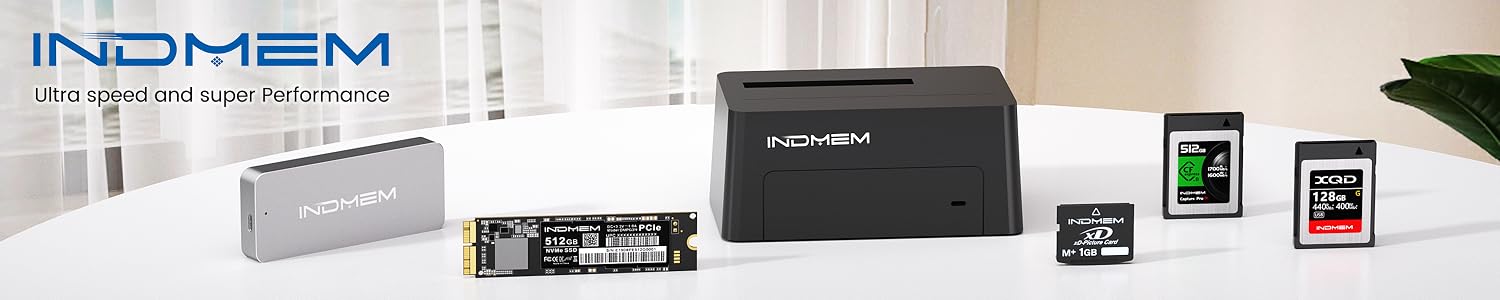
If you have been thinking about upgrading your computer storage or buying a new memory card, you may be wondering whether now is the right time.
Storage has become an important part of the technology market in 2026. Artificial intelligence (AI) systems need large amounts of data storage, and that demand is influencing the market for memory chips and solid-state drives (SSDs).
So, what is driving these changes, and what should everyday buyers know before choosing their next storage product?
1.AI Is Changing Demand for Data Storage
AI systems do more than process information. They also need to store large datasets, model-related information, and frequently accessed data.
As cloud service providers expand their AI infrastructure, they need more high-capacity storage and faster access to data. Enterprise SSDs are particularly important in these environments because they are designed for demanding workloads in data centers.
This growing demand can influence how storage manufacturers allocate production capacity and how suppliers negotiate prices.
However, the effect is not the same across the entire market. Enterprise storage, consumer SSDs, and memory cards serve different needs, and their prices can move in different directions.
Source:TrendForce's September 30, 2026, memory market update.
2.Why Higher NAND Flash Prices Do Not Automatically Mean Every Product Will Cost More
NAND Flash is a type of non-volatile memory used in many storage products, including SSDs, USB flash drives, and memory cards.
When NAND Flash contract prices increase, manufacturers and product suppliers may face higher costs. Over time, some of these costs may be reflected in retail prices.
But the relationship is not immediate or identical for every product.
Retail prices can also depend on existing inventory, supplier agreements, product specifications, competition, and consumer demand. A seller with inventory purchased earlier may respond differently from one buying new stock at higher costs.
TrendForce's September market data also showed a more complicated picture: demand for enterprise storage remained strong, while consumer-side NAND Flash demand was weaker and buyers were cautious.
This means a market-wide price forecast should be treated as an indicator of industry conditions, not a prediction of the exact price of a particular memory card or SSD.
3.What Does This Mean for SSD Buyers?
If you are planning to upgrade your computer, it helps to start with what you actually need rather than buying storage based on market headlines.
- -Check your current storage first.Look at how much space your operating system, applications, games, and files use. This will help you decide whether you need more capacity or simply better file management.
- -Choose a suitable capacity.A drive with more space can be useful for large game libraries, creative projects, and video files. For everyday documents and general use, a smaller drive may be sufficient.
- -Check compatibility before buying.M.2 SSDs can use different interfaces and protocols. Confirm whether your computer or enclosure supports the SSD you plan to use.
- -Compare the complete product, not just the price.Capacity, interface, performance, warranty terms, and intended use all matter. A lower-priced drive is not necessarily the best value if it does not meet your requirements.
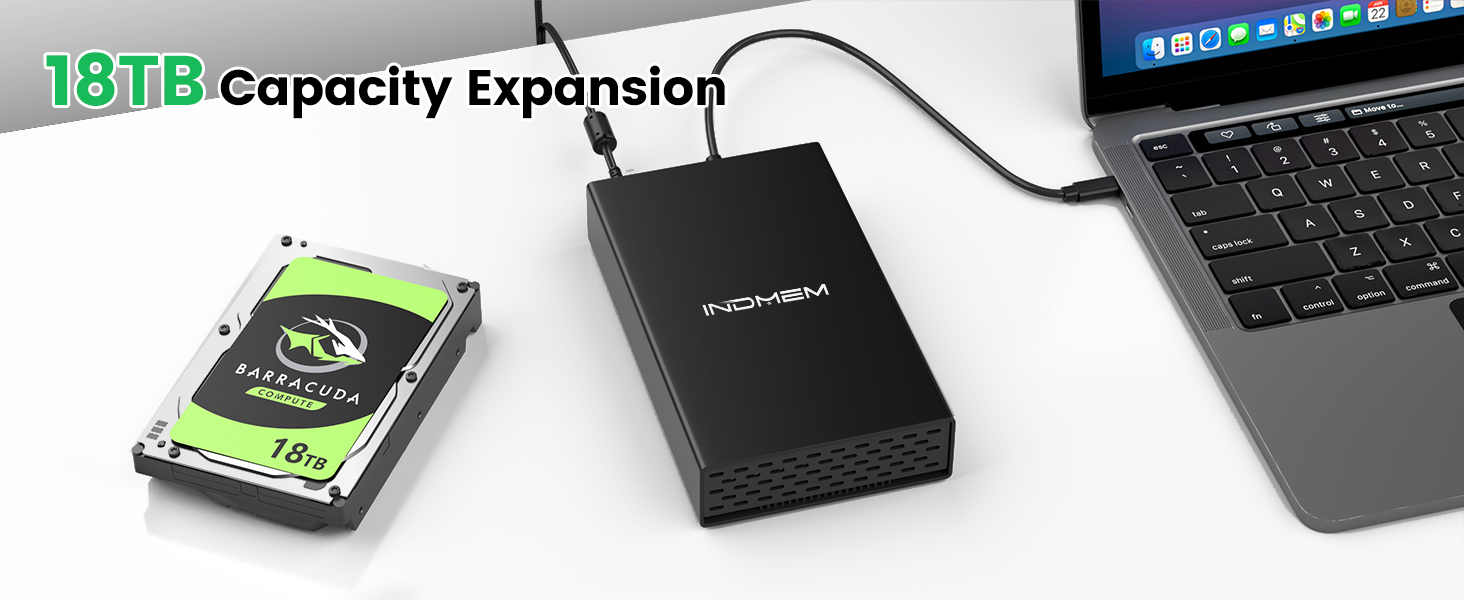
If you already have a compatible SSD, an external SSD enclosure can also provide a way to reuse it for file transfers, backups, or additional storage. Check the drive's protocol and physical size before choosing an enclosure.
Explore INDMEM storage productsto find options for your storage setup.
4.Should You Buy a Memory Card Now or Wait?
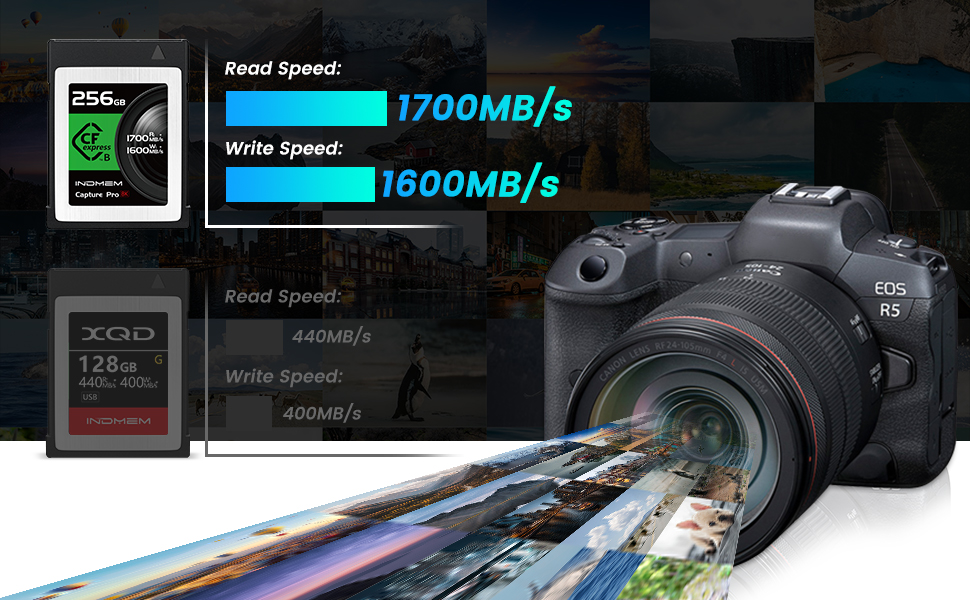
Memory cards are used in cameras, portable devices, and other equipment that relies on removable storage. Their prices are influenced by several factors, including memory chip costs, capacity, speed ratings, product availability, and competition.
A rise in NAND Flash contract prices does not necessarily mean that every memory card will become more expensive immediately. If you need a card for an upcoming trip, a photography project, or a device with limited storage, it may be more practical to choose a suitable product than to try to predict short-term price movements.
Before purchasing, consider these points:
- -Capacity: Estimate how much space you need for photos, videos, or other files.
- -Speed: Check the speed requirements of your camera or device, especially if you record high-resolution video.
- -Compatibility: Confirm the supported card format and capacity in your device's documentation.
- -Value: Compare products with similar specifications rather than comparing prices alone.
5.Practical Ways to Manage Your Storage Budget
You do not always need to buy a larger drive or a new memory card when storage costs change. A few simple habits can help you make better use of the equipment you already own.
- -Remove files you no longer need.Old downloads, duplicate photos, and unused video files can take up significant space.
- -Back up important data.Keep additional copies of important documents and photos on a separate storage device or another suitable backup destination. A single drive should not be your only copy of irreplaceable files.
- -Reuse compatible hardware where practical.An existing SSD may still be useful in an external enclosure if the drive is working properly and the enclosure supports its interface.
- -Buy for your actual workload.Consider your current needs and likely use over the next few years. Paying for capacity or performance you will not use may not provide good value.
These steps will not eliminate changes in market prices, but they can help you avoid unnecessary purchases.
6.What to Watch in the Coming Months
Storage prices will depend on more than AI demand alone. Production decisions, supplier inventory, consumer spending, and the balance between enterprise and consumer markets will all play a role.
TrendForce's fourth-quarter forecast points to continued pressure on NAND Flash contract prices, while its market updates also highlight weaker demand and cautious purchasing in some consumer segments.
For shoppers, the most useful approach is to monitor actual retail prices for the specific products they need, compare equivalent specifications, and avoid assuming that every storage category will follow the same trend.
Final Thoughts
The storage market is changing as AI infrastructure expands, but the effects are not uniform across all products. Higher NAND Flash contract prices may put pressure on costs, yet retail prices for SSDs and memory cards can respond differently depending on supply, inventory, and demand.
For consumers, the best decision is still based on compatibility, capacity, performance, and budget. Whether you are upgrading a computer, expanding camera storage, or reusing an existing SSD, understanding your needs is more useful than reacting to a market forecast alone.
Industry reference:TrendForce — AI Server Demand Sustains Memory Contract Price Increases in 4Q26, While Consumer-Side Pressure Persists
Note: Market forecasts describe expected industry trends and may change. Contract prices are not the same as retail prices paid by consumers.
 Send Email
 JCcms
 JCcms